

Electric cars have become increasingly popular in recent years and are more common on our roads. They are often called EV. But there is another term you may not know: NEV.
Not to be confused with 'neighbourhood electric vehicle', NEV stands for „New Energy Vehicle“ (New Energy Vehicle), a term describing types of electric vehicles from battery electric cars to plug-in hybrids.
BYD is the world's No.1 NEV manufacturer, so we can explain what you need to know. Below, we look at the different types of NEV and the benefits of using them.
NEV is an umbrella term for vehicles using alternative energy sources such as electricity. Common types include:
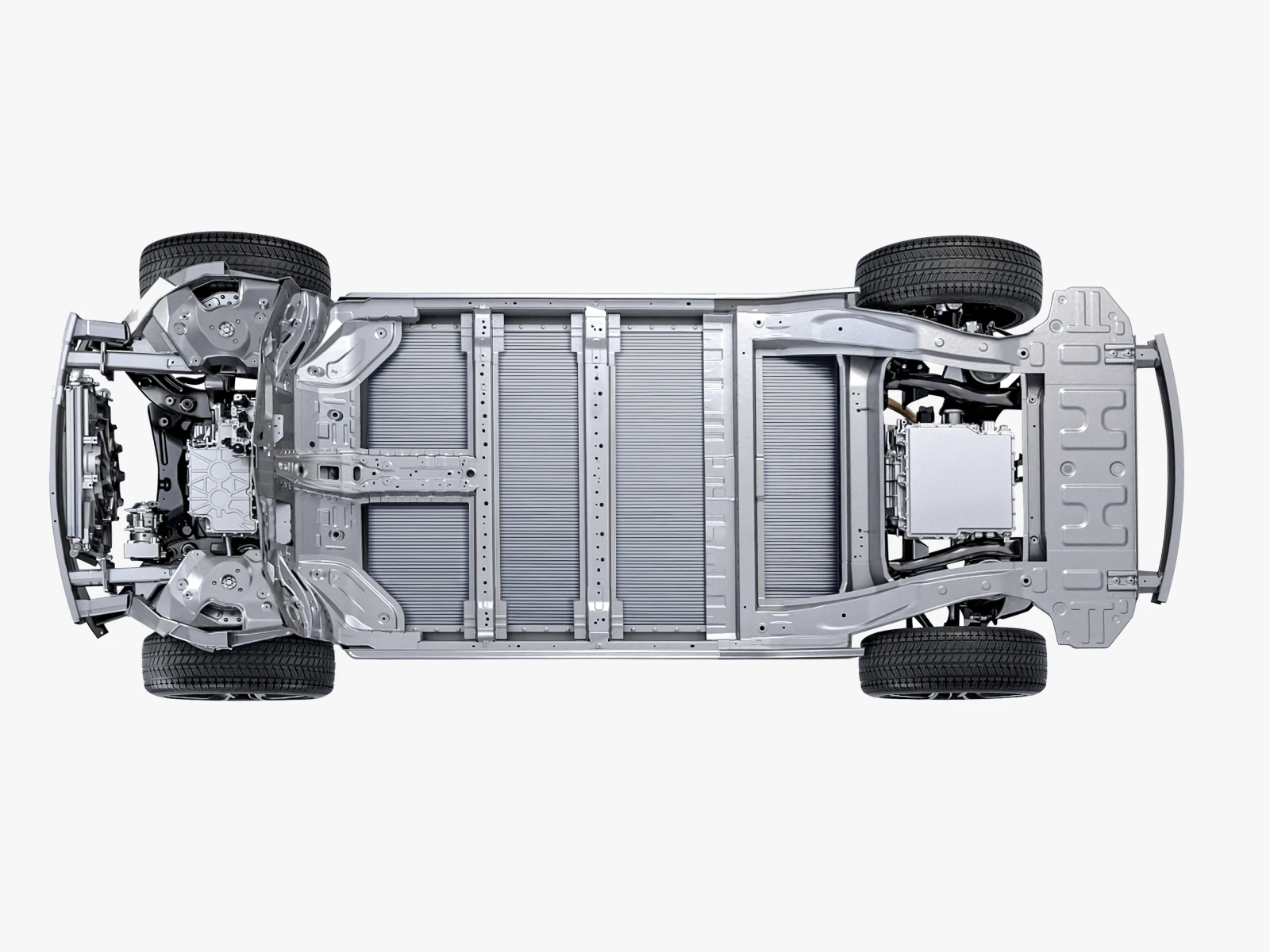
BEV vehicles are fully electric. A battery powers an electric motor to move the car. The battery is recharged externally by plugging into a charger at home or a public location. With no internal combustion engine, the vehicle produces no tailpipe emissions.
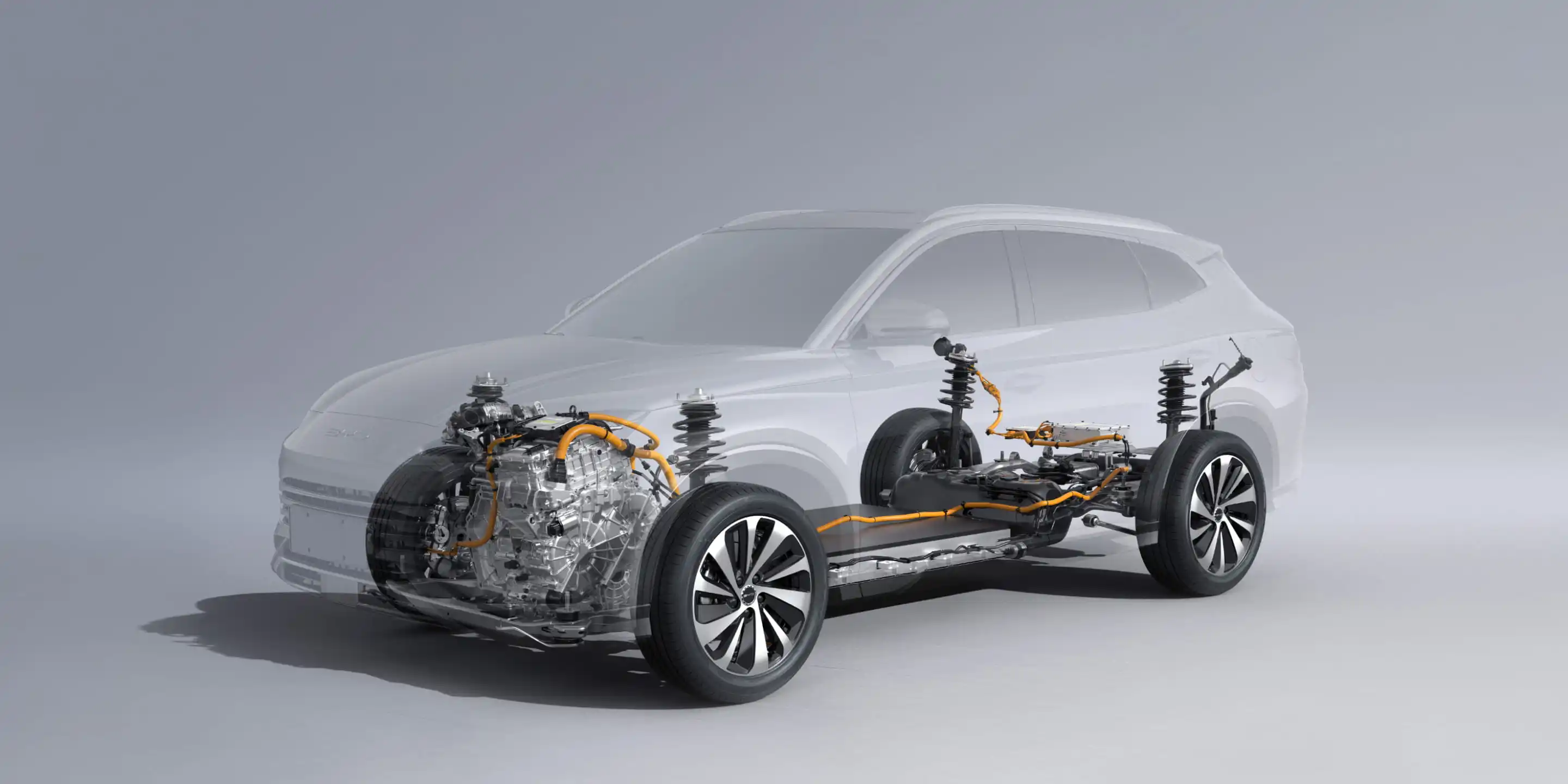
PHEV is another type of New Energy Vehicle. Plug-in hybrids combine an internal combustion engine with an electric motor. They can run on electricity while battery charge is available, with the petrol engine supporting the drive when needed.
PHEVs can be charged externally using a home charger or public charging station. They are an option for drivers making longer journeys who want to reduce range anxiety (range anxiety). When battery charge runs low, fuel allows the journey to continue.
BYD has developed a distinctive hybrid technology. Super DM technology powers our PHEV models. It offers benefits including responsive performance and low fuel consumption. Look for DM or DM-i in BYD model names to identify this hybrid technology.
NEVs offer several benefits, helping explain their growing popularity on our roads.
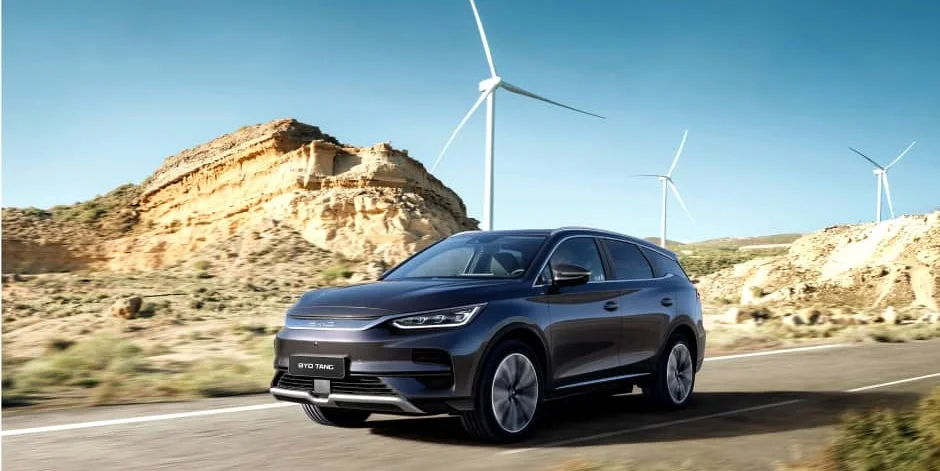
NEVs can help reduce road transport emissions. Battery electric and plug-in hybrid vehicles can produce lower greenhouse gas emissions and air pollution than fuel-only vehicles.
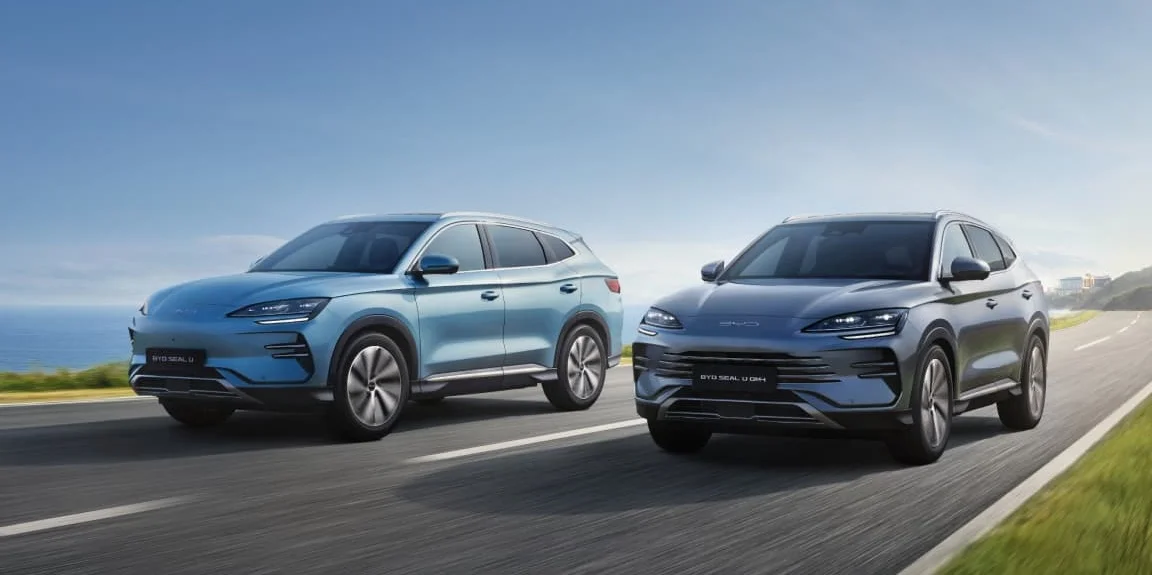
NEVs are highly energy-efficient, particularly BEVs. Their efficiency is around 85–90%, compared with 17–21% for internal combustion engines, meaning less energy is used for everyday journeys.

NEVs can offer lower charging costs compared with refuelling. Fewer moving parts in BEVs can also reduce maintenance costs, with no engine oil changes required.

Many NEVs, including BYD electric cars, feature advanced technology for safer, more comfortable driving, from driver assistance systems to key components such as the battery. Explore BYD Super DM technology to learn more.
The main difference between New Energy Vehicles (NEVs) and internal combustion engine (ICE) cars is their power source. NEVs use electric power, while ICE cars rely on petrol or diesel. Other factors also set them apart.
NEVs use energy more efficiently than fuel-powered vehicles, travelling further with less energy.
NEVs produce less noise on the road for a more pleasant driving experience than internal combustion engine cars.
NEVs offer instant torque, making them enjoyable to drive.
Home charging is a key benefit of plug-in NEVs. It can reduce visits to petrol stations and help save money, especially when lower off-peak electricity tariffs are available.
Lorem ipsum dolor sit amet, consectetur adipiscing elit, sed do eiusmod tempor incididunt ut labore et dolore magna aliqua. Ut enim ad minim veniam, quis nostrud exercitation ullamco laboris nisi ut aliquip ex ea commodo consequat. Duis aute irure dolor in reprehenderit in voluptate velit esse cillum dolore eu fugiat nulla pariatur.